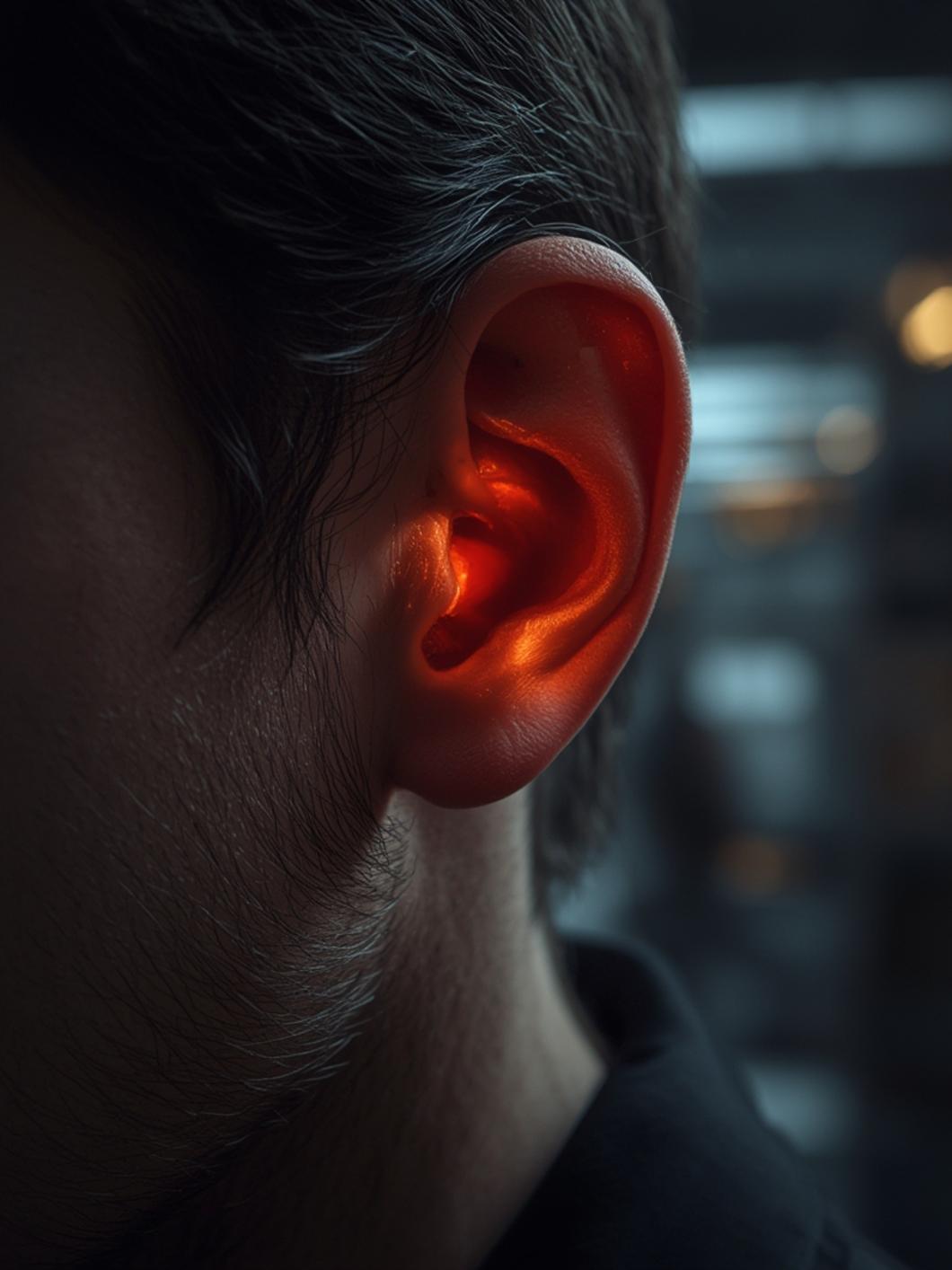
Have you ever noticed a thumping sound in your ear that seems to keep time with your pulse? That rhythmic whoosh can be unsettling, and it often points to an underlying blood‑flow issue rather than the typical ringing associated with ordinary tinnitus. Understanding the distinction matters because timely evaluation can uncover treatable vascular conditions before they lead to more serious complications. If you’ve ever heard a rhythmic whoosh that matches your heartbeat, you might be experiencing pulsatile tinnitus, a form of vascular tinnitus.
What You Need to Know
This auditory phenomenon originates from turbulent blood flow near the ear, which the auditory system picks up as a pulsating sound. Common contributors include arterial narrowing, venous hums, arteriovenous malformations, and intracranial hypertension. Unlike non‑pulsatile tinnitus, which is often linked to noise exposure or age‑related hearing loss, the rhythmic version usually reflects a vascular source that can be visualized with imaging. Diagnosis typically begins with a thorough otoscopic exam, followed by Doppler ultrasound, magnetic resonance angiography (MRA), or computed tomography angiography (CTA) to pinpoint the offending vessel. Recognizing accompanying symptoms—such as headaches, visual changes, or pulsatile syncopal sensations—helps clinicians prioritize further work‑up.
Timing / Preparation / Important Details
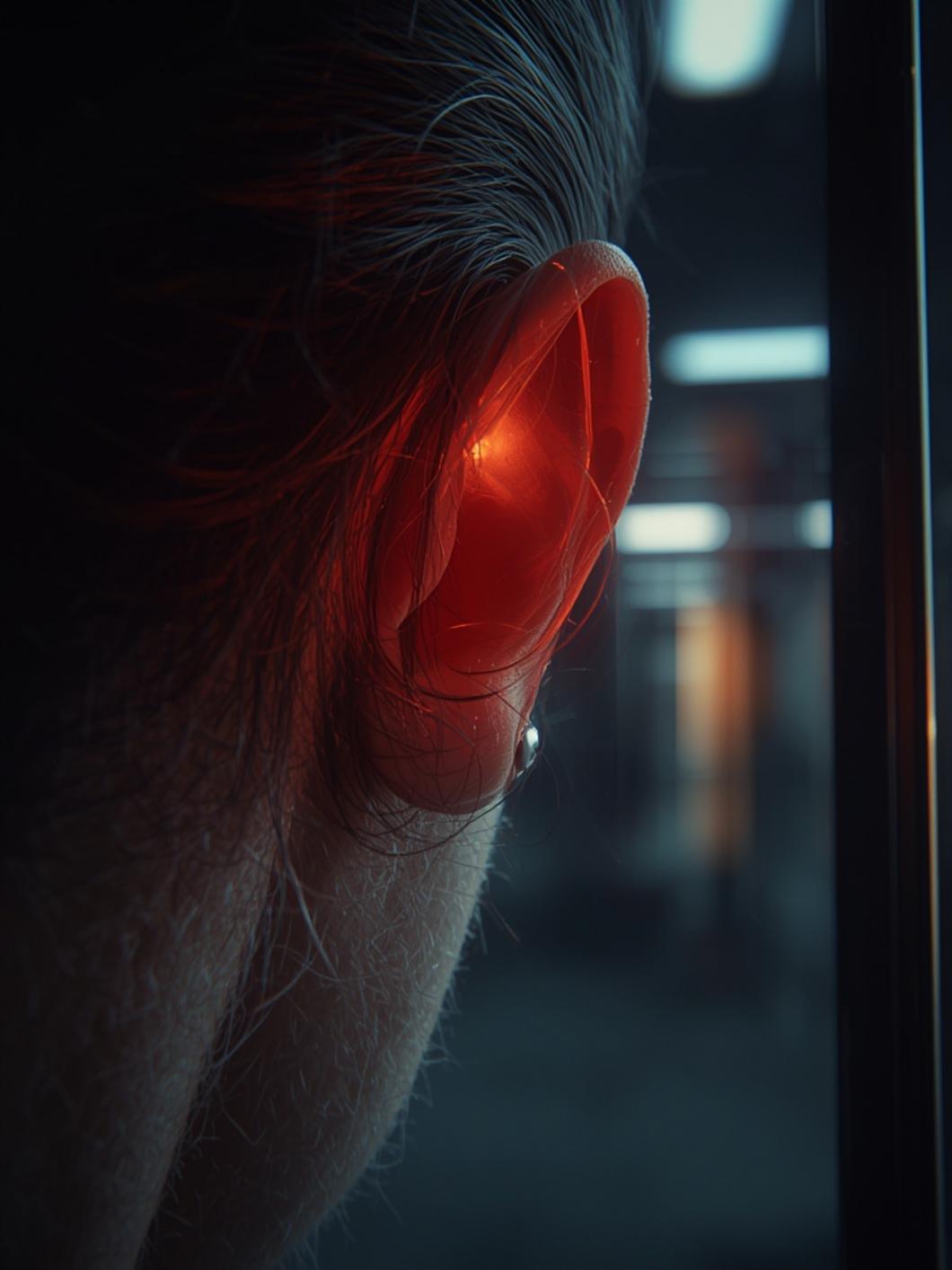
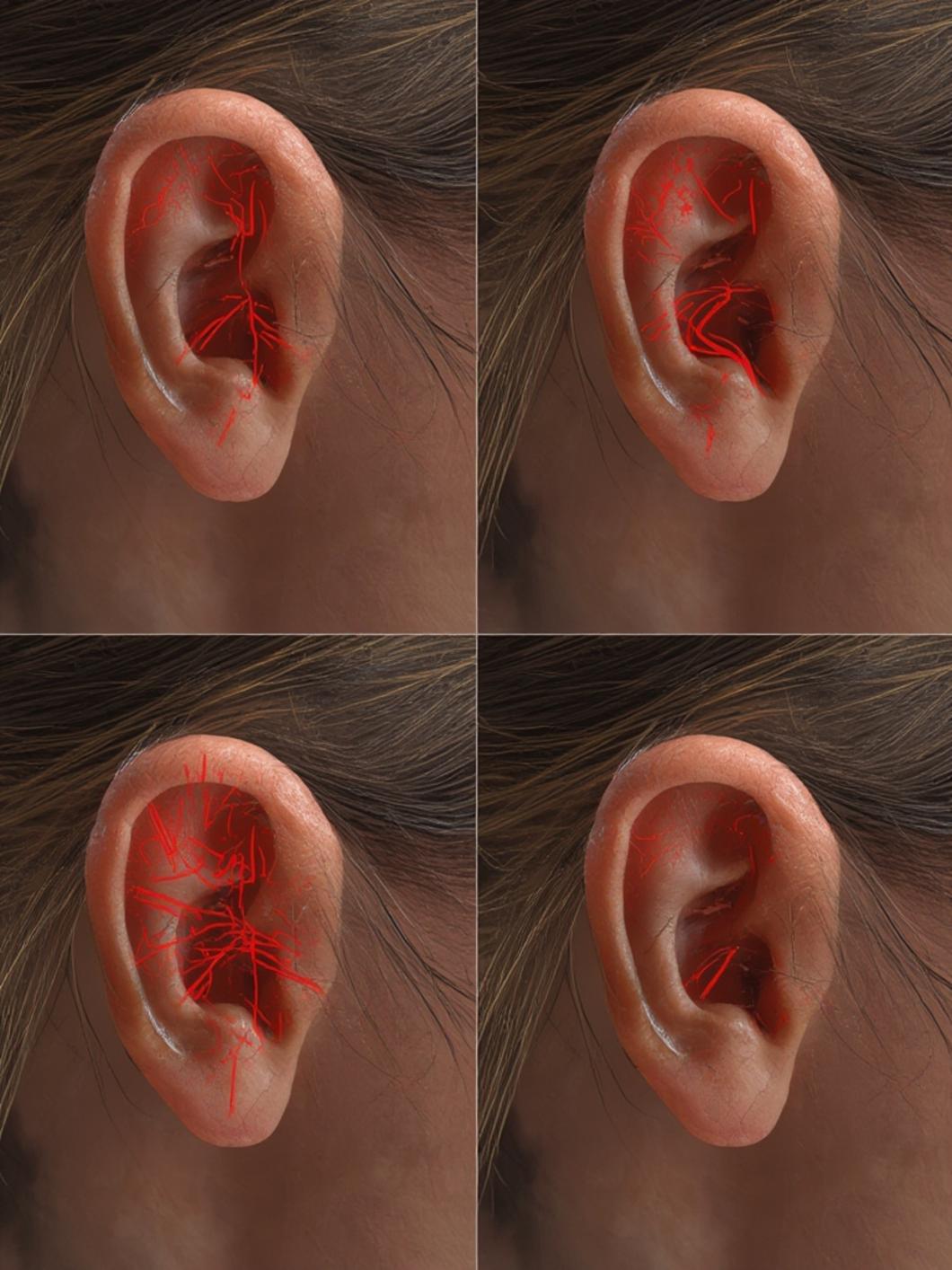
Symptoms may appear gradually or suddenly, often intensifying during physical exertion or when lying flat. Keeping a simple diary of when the noise occurs, its intensity, and any associated triggers (e.g., caffeine, stress) provides valuable clues for your healthcare provider. Most patients notice the pattern within a few weeks, but persistent or worsening signs warrant prompt evaluation. Below is a visual representation of typical vascular pathways involved:
When preparing for a specialist visit, bring your symptom log, a list of current medications, and any prior imaging reports. This preparation streamlines the appointment and maximizes the chance of an accurate diagnosis.
Step-by-Step Guide / Main Content
Managing this condition involves a clear pathway from identification to intervention. First, acknowledge the symptom and schedule an appointment with an otolaryngologist or neuro‑otologist. Second, undergo baseline audiometry to rule out concurrent hearing loss. Third, request targeted vascular imaging—MRA is often preferred because it captures both arterial and venous structures without radiation. Fourth, review the imaging results with a multidisciplinary team that may include a vascular surgeon, neurologist, or interventional radiologist. Fifth, based on findings, decide on the appropriate therapeutic approach, which could range from medical management (e.g., blood‑pressure control, anticoagulation) to endovascular stenting or surgical correction.
Throughout this process, remember that pulsatile tinnitus and its vascular counterpart vascular tinnitus are treatable when the underlying lesion is identified early.
Benefits / Advantages
Early detection offers several advantages. Identifying a correctable vascular anomaly can eliminate the pulsating sound entirely, restoring peace and improving concentration. Addressing hypertension or venous stenoses reduces stroke risk and alleviates associated headaches. Furthermore, successful treatment often prevents progression to more invasive complications, such as hemorrhagic events or chronic pain syndromes. Patients frequently report enhanced sleep quality and reduced anxiety once the rhythmic noise subsides, underscoring the broader quality‑of‑life impact of timely care.
Tips, Alternatives, or Pro Strategies
– Lifestyle tweaks: Limit sodium intake, stay hydrated, and engage in regular aerobic exercise to support healthy blood flow.
– Sound masking: While awaiting definitive treatment, white‑noise machines or specialized tinnitus‑relief apps can lessen the perception of the pulsation.
– Alternative imaging: If MRA is contraindicated, consider contrast‑enhanced ultrasound or digital subtraction angiography as viable options.
– Second opinions: For complex cases, consulting a neurovascular center with expertise in skull‑base lesions can uncover subtle abnormalities missed by standard protocols.
– Medication review: Certain drugs, such as aminoglycosides or high‑dose aspirin, can exacerbate vascular noise; discuss alternatives with your prescriber.
Common Mistakes to Avoid
One frequent error is dismissing the symptom as “just stress‑related” and delaying medical evaluation. Another is relying solely on over‑the‑counter ear drops, which do not address vascular origins. Some patients skip follow‑up imaging after initial treatment, risking recurrence of the underlying lesion. Finally, self‑prescribing anticoagulants without professional guidance can lead to dangerous bleeding.
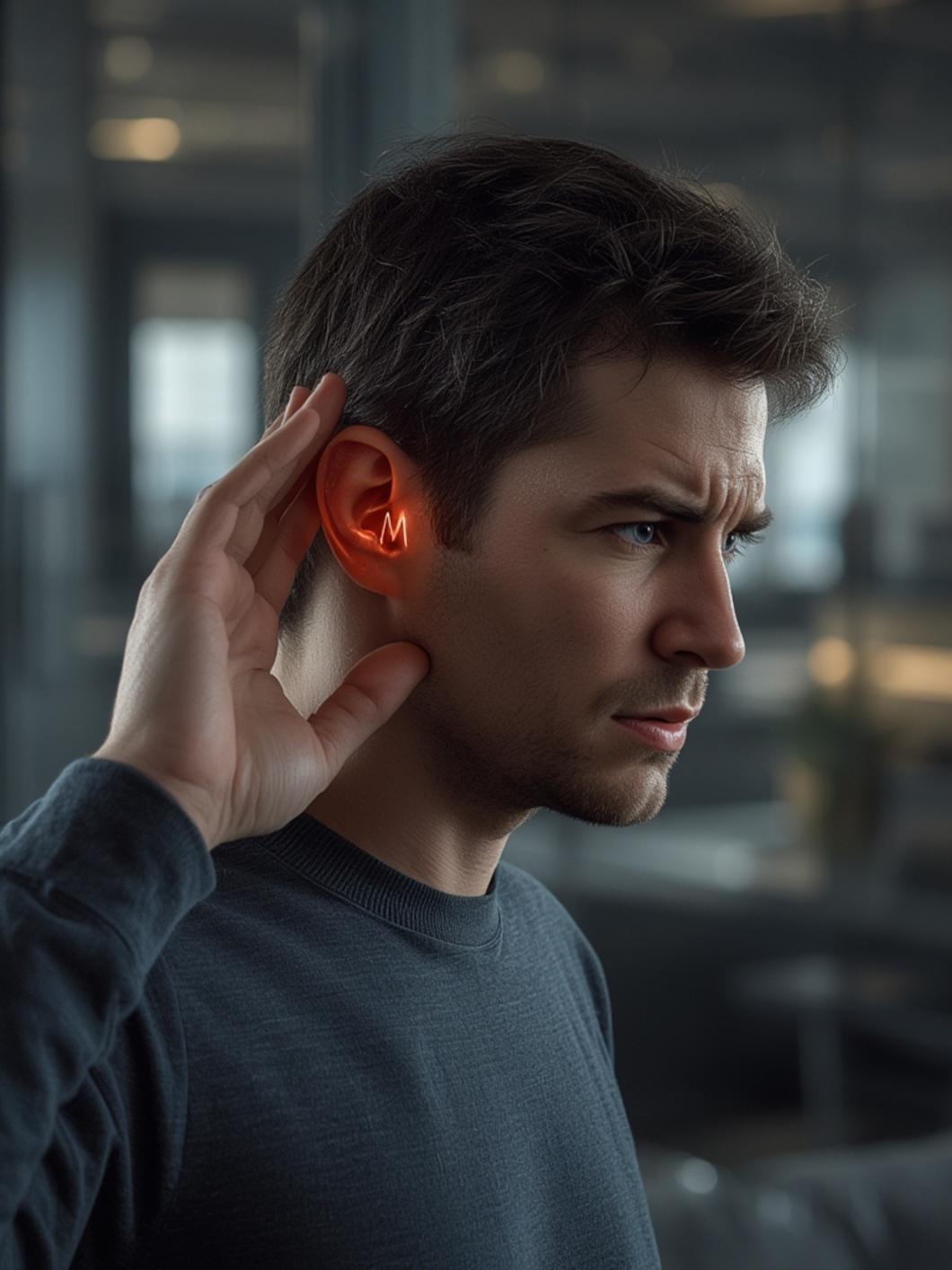
If you notice any of these pitfalls, correct them promptly by consulting a qualified specialist and adhering to the prescribed management plan.
Maintenance / Best Practices / Extra Advice
Long‑term success hinges on vigilant monitoring. Keep a symptom journal for at least three months after any intervention, noting changes in intensity or new neurological signs. Schedule periodic vascular assessments—typically every six to twelve months—depending on the lesion type and treatment modality. Maintain cardiovascular health through balanced nutrition, regular physical activity, and stress‑reduction techniques such as mindfulness or yoga. Stay informed about advancements in endovascular techniques; emerging therapies may offer less invasive options for refractory cases.
Conclusion
Recognizing and acting on rhythmic ear noise can transform a distressing experience into a manageable health issue. By understanding the vascular basis, pursuing appropriate imaging, and following a structured treatment plan, many individuals achieve lasting relief. If you’ve ever heard a rhythmic whoosh that matches your heartbeat, you might be experiencing pulsatile tinnitus, a form of vascular tinnitus. Take the first step today—schedule an evaluation, keep a symptom log, and prioritize your vascular well‑being.
FAQs
What causes the pulsing sound in my ear?
It results from turbulent blood flow near the auditory structures, often due to arterial stenosis, venous hums, or arteriovenous malformations.
Is this condition dangerous?
While the noise itself isn’t harmful, it can signal underlying vascular abnormalities that may pose stroke or hemorrhage risk if untreated.
How long does diagnosis usually take?
Most patients complete initial audiometry and vascular imaging within two to four weeks, depending on facility access.
Can lifestyle changes eliminate the pulsing?
Healthy habits support vascular health but typically won’t resolve a structural lesion; they work best alongside medical or surgical therapy.
Should I avoid air travel or loud noises?
Air travel is generally safe; however, loud environments may exacerbate stress‑related symptoms, so use hearing protection if needed.
Is surgery always required?
Not necessarily. Many cases respond to medical management or endovascular stenting; surgery is reserved for complex or inaccessible lesions.