
Sleeping under the stars used to mean pitching a nylon tent, unrolling a thin sleeping pad, and hoping it wouldn’t rain. For decades, camping was an exercise in rugged endurance. You sacrificed comfort for the chance to connect with nature. However, a massive shift in travel behavior has completely transformed how people experience the great outdoors.
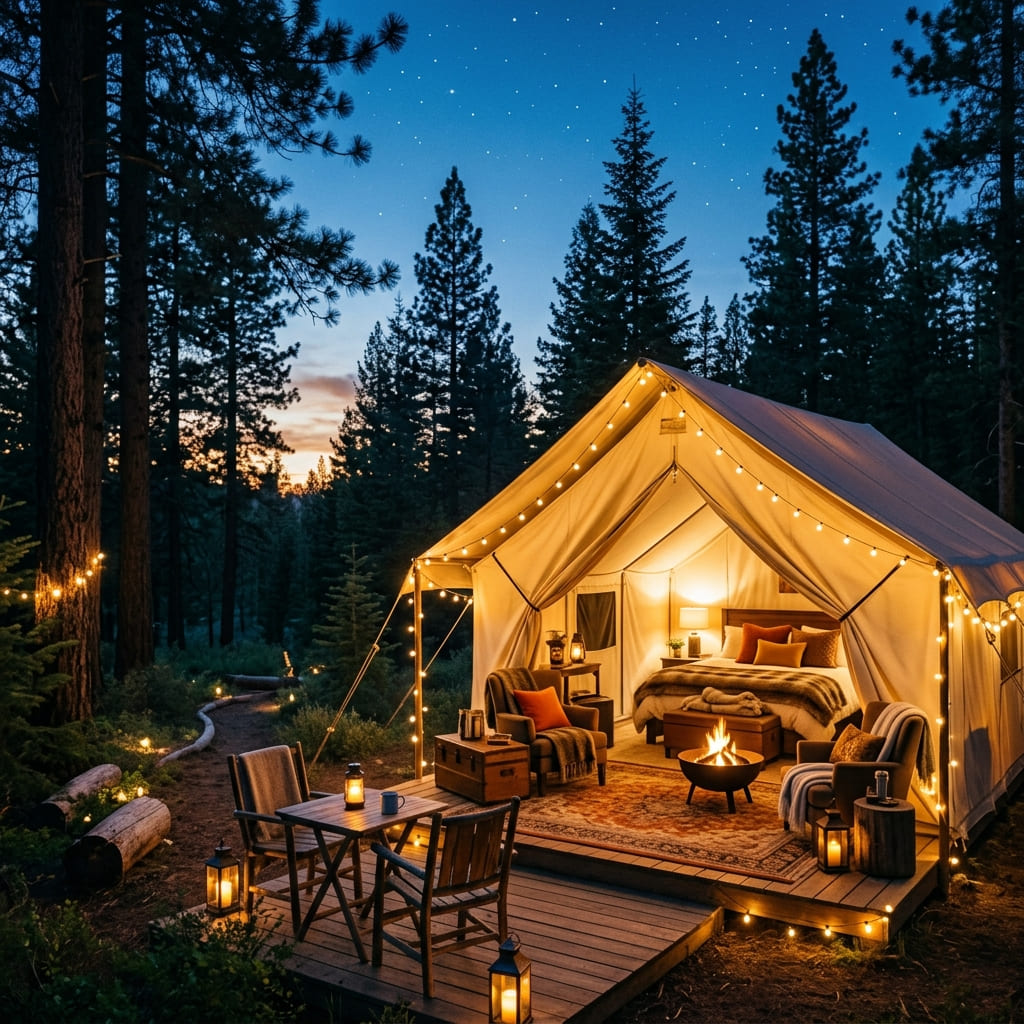
Enter the glamping economy. Blending the words “glamorous” and “camping,” this sector has exploded into a multi-billion-dollar global industry. It offers the beauty of untouched landscapes alongside the comforts of a boutique hotel. Travelers can now wake up to the sound of birds in a remote forest while enjoying a king-sized bed, high-thread-count linens, and a hot shower.
This pivot toward luxury outdoor travel represents more than just a passing trend. It is reshaping the hospitality landscape, revitalizing rural economies, and redefining what it means to go on vacation. By combining the wellness benefits of nature with premium amenities, the glamping market has unlocked a massive new demographic of travelers.
The Evolution of Glamping: From Humble Beginnings to Luxury Escapes
The concept of luxurious tents is not entirely new. Historically, royalty and wealthy explorers set up elaborate camps featuring antique furniture and Persian rugs. In the early 20th century, wealthy European and American travelers popularized African luxury safaris, setting a standard for high-end wilderness experiences.
The modern glamping movement began to take shape in the early 2000s in the United Kingdom, where festival-goers sought better accommodations than muddy fields. What started as pre-pitched bell tents at music festivals quickly expanded into a standalone vacation category. Entrepreneurs recognized a gap in the market. People wanted to immerse themselves in nature but lacked the gear, expertise, or desire to rough it.
Today, glamping has evolved into a highly sophisticated sector. Offerings range from simple canvas tents with real beds to architectural marvels boasting private hot tubs, heated floors, and personal chefs.
Key Drivers of Growth in the Glamping Market
Several factors have fueled the rapid expansion of the glamping market over the last decade. A major driver is the cultural shift toward experiential travel. Modern consumers frequently prioritize unique, memorable experiences over purchasing physical goods. They want a story to tell, and a weekend in a glass dome overlooking a canyon provides exactly that.
Social media has also played a massive role. The visual appeal of beautifully designed treehouses and safari tents makes for highly shareable content. Platforms like Instagram and TikTok serve as organic marketing engines, turning hidden wilderness retreats into viral sensations overnight.
Additionally, the COVID-19 pandemic acted as an incredible catalyst. With international borders closed and indoor gatherings restricted, travelers flocked to domestic, nature-based destinations. Glamping provided the perfect solution: a socially distanced getaway that required zero camping expertise. Even as traditional travel has resumed, the appetite for these private, nature-forward escapes remains exceptionally strong.
Economic Impact: Job Creation, Local Businesses, and Tourism
The economic ripple effect of the glamping industry is significant, particularly for rural and remote communities. Traditional hotels require major infrastructure, heavy investment, and prime real estate. Glamping sites, by contrast, can be developed on marginal land, working farms, or woodland areas with a much smaller footprint.
This creates new revenue streams for landowners. Farmers and ranchers are increasingly using glamping as an agritourism strategy, supplementing their agricultural income by hosting guests.
Furthermore, these businesses stimulate local economies. Glampers spend money at nearby grocery stores, local restaurants, and outdoor recreation outfitters. They book guided tours, rent kayaks, and buy souvenirs. The development of a new site also creates direct local jobs, from housekeeping and property management to marketing and guest services.
The Glamping Consumer: Demographics, Motivations, and Spending Habits
Who exactly is booking these luxury tents? The glamping demographic is surprisingly broad, though it skews heavily toward Millennials and Gen Z. These generations highly value sustainability, wellness, and photogenic travel experiences.
However, older demographics are also participating. Retirees who love the outdoors but no longer want to sleep on the ground find glamping to be an ideal compromise. Families with young children appreciate the ease of arriving at a fully equipped site without having to pack a car full of camping gear.
Motivations for booking generally center around stress relief and digital detoxing. Many guests actively seek out properties with no Wi-Fi, using the trip to disconnect from work and reconnect with partners or friends. Because glamping is viewed as a premium experience, consumers are willing to spend hotel-level rates. It is not uncommon for unique glamping stays to command anywhere from $200 to over $1,000 per night, depending on the location and amenities.
Types of Glamping Accommodations: Tents, Yurts, Cabins, and Unique Stays
The beauty of the glamping economy lies in its incredible diversity. Developers are constantly pushing the boundaries of architecture and design to offer something completely unique.
Safari and Bell Tents
These are the classic glamping structures. Made of heavy-duty canvas, they offer a traditional camping feel but are spacious enough to hold standard furniture.
Yurts
Originating from the nomadic tribes of Central Asia, yurts are circular, tent-like structures built on a wooden frame. They are highly durable, well-insulated, and can easily be equipped with wood-burning stoves for year-round use.
Treehouses
Tapping into childhood nostalgia, treehouses have become highly sought-after rental properties. Modern iterations feature running water, electricity, and wrap-around decks suspended high in the forest canopy.
Domes and Pods
Geodesic domes with clear panels allow guests to stargaze from the comfort of their beds. These futuristic structures are particularly popular in extreme environments, like deserts or snowy mountainous regions.
A-Frame Cabins and Tiny Homes
While blurring the line between camping and real estate, these small-footprint structures provide a highly curated, minimalist aesthetic that appeals to modern travelers.
Technology and Innovation in Glamping
You might assume that going into the wilderness means leaving technology behind. In reality, the glamping economy relies heavily on innovative tech.
Off-grid technology allows developers to build luxurious sites in remote areas without connecting to municipal utilities. Solar power banks, composting toilets, and advanced water filtration systems make it possible to run a high-end resort almost anywhere.
On the consumer side, technology streamlines the entire experience. Smart locks allow for contactless check-in. Guests can control the climate, lighting, and entertainment of their eco-pod using a digital tablet. Specialized booking platforms have also emerged, connecting travelers specifically with outdoor and unique accommodations, making it easier than ever for hosts to reach their target audience.
Sustainability and Eco-Tourism in the Glamping Economy
A core pillar of the glamping economy is its relationship with the environment. Unlike massive resort developments that require pouring concrete and clear-cutting land, glamping sites are designed to be low-impact. Many structures are temporary or built on raised platforms, ensuring the ground underneath remains undisturbed.
Operators frequently emphasize sustainability to appeal to eco-conscious consumers. This includes using locally sourced building materials, eliminating single-use plastics, and implementing renewable energy sources.
By educating guests on local ecosystems and promoting “leave no trace” principles, glamping businesses contribute actively to conservation efforts. This focus on eco-tourism ensures that the natural beauty drawing guests to the property is preserved for future generations.
Challenges and Opportunities for Glamping Businesses
Despite its rapid growth, the glamping industry faces distinct challenges. The most prominent hurdle for new operators is navigating complex zoning laws and permitting processes. Because glamping structures do not fit neatly into traditional categories like “hotel” or “RV park,” local municipalities often struggle to regulate them.
Weather and seasonality also pose significant risks. A canvas tent business in a region with harsh winters may only be able to operate for six months out of the year.
However, these challenges present opportunities for innovation. Operators are increasingly winterizing their sites with insulated pods and heated plunge pools, turning the off-season into a cozy winter retreat. Franchise models and management companies are also stepping in to help landowners navigate the regulatory and marketing complexities, lowering the barrier to entry.
Future Trends: What’s Next for the Glamping Economy?
As the market matures, expect to see further integration of wellness and corporate retreats. Glamping sites are adding yoga pavilions, outdoor saunas, and meditation guides to cater to the booming wellness tourism sector.
Corporate team-building is another massive growth area. Companies looking to foster connection among remote employees are bypassing sterile conference centers in favor of exclusive buyout glamping retreats.
We will also see a rise in hybrid hospitality models. Traditional hotel brands are beginning to add glamping components to their existing properties, recognizing that modern guests want varied and immersive options.
The Enduring Appeal of Luxury Outdoor Travel
The glamping economy has successfully bridged the gap between luxury hospitality and outdoor adventure. It has democratized nature, making beautiful, remote landscapes accessible to people who prefer a comfortable bed over a sleeping bag.
As long as consumers continue to prioritize unique experiences, mental wellness, and sustainable travel, this sector will thrive. By bringing economic vitality to rural areas and encouraging a deeper appreciation for the environment, the glamping market proves that business growth and nature conservation can coexist beautifully.
Leave a Reply