
Have you ever wondered why a single pair of shoes can make or break your performance on the field? The right footwear in sport isn’t just about style; it directly influences speed, stability, and injury prevention. Likewise, choosing the proper athletic shoes can translate into better endurance and confidence during training or competition. In this guide, we’ll break down everything you need to know about selecting, using, and maintaining sports footwear so you can train smarter and stay injury‑free.
What You Need to Know
Sports shoes are engineered for specific movements: running demands cushioning and forward propulsion, court sports need lateral support, and cross‑training models balance both. Key components include the outsole (rubber pattern for grip), midsole (foam or gel for shock absorption), upper (mesh or synthetic for breathability), and heel counter (stability). Understanding your foot type—neutral, overpronated, or supinated—helps you pick the right level of arch support. Look for certifications like ASTM or ISO that guarantee performance standards. Knowing these basics prevents guesswork and ensures you invest in a pair that matches your activity, surface, and biomechanics.
Timing / Preparation / Important Details
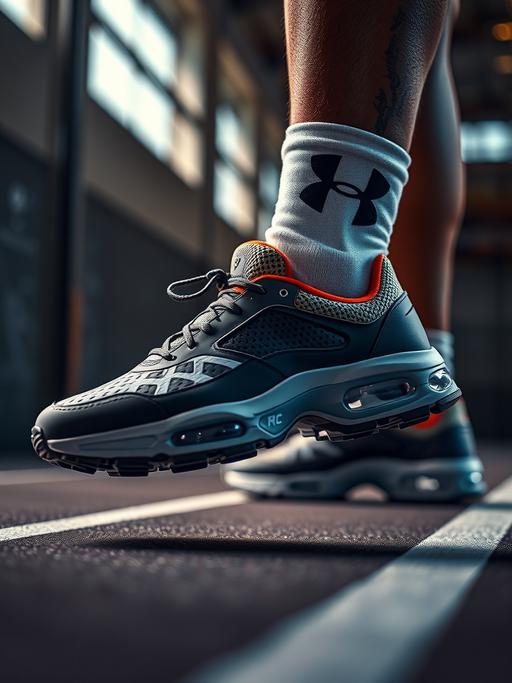
Before you hit the track or gym, allow 10‑15 minutes for a proper warm‑up; this prepares the muscles and lets the shoes settle onto your feet. If you’re buying new footwear, shop in the late afternoon when feet are naturally slightly swollen—this gives a realistic fit. Break‑in periods vary: running shoes usually need 20‑30 miles of gradual use, while court shoes may feel ready after a few sessions. Always wear the socks you plan to train in during fitting, and check for any pressure points after the first 10 minutes of activity. Proper timing reduces blisters and extends the shoe’s useful life.
Step‑by‑Step Guide / Main Content
 1. Identify your sport – Determine whether you need running, training, court, or specialty shoes.
2. Measure your feet – Use a Brannock device or a printable chart; record length and width for both feet.
3. Select the category – Match the sport to the shoe type (e.g., footwear in sport for trail running, athletic shoes for track).
4. Try on with purpose – Walk, jog, and perform sport‑specific motions; ensure there’s a thumb’s width of space at the toe and no heel slip.
5. Check support features – Look for medial posts if you overpronate, or neutral cushioning if you have a high arch.
6. Test the grip – Rub the outsole on a wet surface; it should provide confident traction without feeling slick.
7. Make the purchase – Keep the receipt and original box for warranty claims or returns.
Following these steps ensures you end up with a pair that enhances performance rather than hindering it.
Benefits / Advantages
The right sports footwear improves biomechanical efficiency, translating into faster times and less fatigue. Proper cushioning absorbs impact forces, lowering the risk of stress fractures and joint pain. Enhanced lateral support prevents ankle rolls during quick direction changes, while breathable uppers keep feet dry, reducing blister formation. Ultimately, quality shoes boost confidence, letting athletes focus on technique rather than discomfort.
Tips, Alternatives, or Pro Strategies
– Rotate two pairs of shoes to let the midsoles recover, extending lifespan by up to 30%.
– Use removable insoles for customized arch support; replace them every 300‑500 miles.
– For wet conditions, consider shoes with hydrophobic treatments or gaiters.
– If budget is tight, look for last‑year’s models—performance differences are often minimal.
– Always store shoes in a ventilated area; avoid direct heat which can deform foam.
Common Mistakes to Avoid

1. Choosing style over fit – Aesthetic appeal never compensates for poor support.
2. Ignoring wear patterns – Uneven sole wear signals misalignment; replace shoes promptly.
3. Skipping the break‑in phase – Sudden long runs in fresh shoes cause blisters.
4. Using one pair for all activities – Court shoes lack the cushioning needed for distance running.
5. Neglecting sock choice – Cotton socks retain moisture; opt for synthetic blends.
Addressing these pitfalls keeps you comfortable and injury‑free.
Maintenance / Best Practices / Extra Advice
Clean shoes after each use with a soft brush and mild soap; avoid machine washing as it can break down adhesives. Air‑dry them away from direct sunlight to prevent material degradation. Check the outsole for embedded stones and remove them to maintain grip. Periodically examine the midsole for compression lines—if the foam feels permanently flat, it’s time for a replacement. Keeping a simple log of mileage or usage hours helps you predict when a new pair is needed.
Conclusion
Selecting the appropriate footwear in sport and the ideal athletic shoes is a foundational step for any athlete aiming to maximize performance and minimize injury. By understanding your needs, following a systematic fitting process, and caring for your gear, you set yourself up for consistent progress and enjoyment in every workout or competition. Take the time to invest wisely—your feet will thank you.
FAQs
How often should I replace my running shoes?
Generally every 300‑500 miles, depending on your weight, running surface, and shoe model.
Can I use the same shoes for gym workouts and outdoor runs?
Cross‑training shoes offer a compromise, but dedicated running shoes provide better cushioning for long distances.
What’s the best way to test shoe stability?
Perform a single‑leg squat; if the shoe wobbles excessively, look for a model with a firmer heel counter.
Do expensive shoes always perform better?
Not always; mid‑range models often deliver comparable technology at a lower price.
Should I buy shoes a size larger for swelling?
A half‑size up can accommodate slight swelling, but too large leads to slippage and blisters.
Leave a Reply