
To attract birds to your garden, provide a consistent supply of native food sources, clean water, and safe shelter. Different bird species require specific seeds, feeders, and native plants. Minimizing predators and avoiding pesticides will ensure your backyard remains a safe haven for local wildlife.
Turning your backyard into a bustling hub of avian activity brings a unique kind of joy. Watching a bright red cardinal land on a snowy branch or hearing the melodic morning song of a chickadee connects us directly to the natural environment. Creating a space that welcomes local wildlife requires more than just throwing some breadcrumbs on the lawn. It demands a thoughtful approach to habitat creation.
Birds spend their days searching for resources to survive. By intentionally designing your outdoor space to meet these basic survival needs, you can transform a quiet lawn into a thriving ecosystem. This process benefits the local ecosystem while providing endless entertainment and educational opportunities for your family.
The most successful bird gardens mimic natural habitats. This guide explores the specific steps required to turn your property into a sanctuary that local birds will visit year-round.
Which Local Bird Species Live in Your Area and What Do They Need?
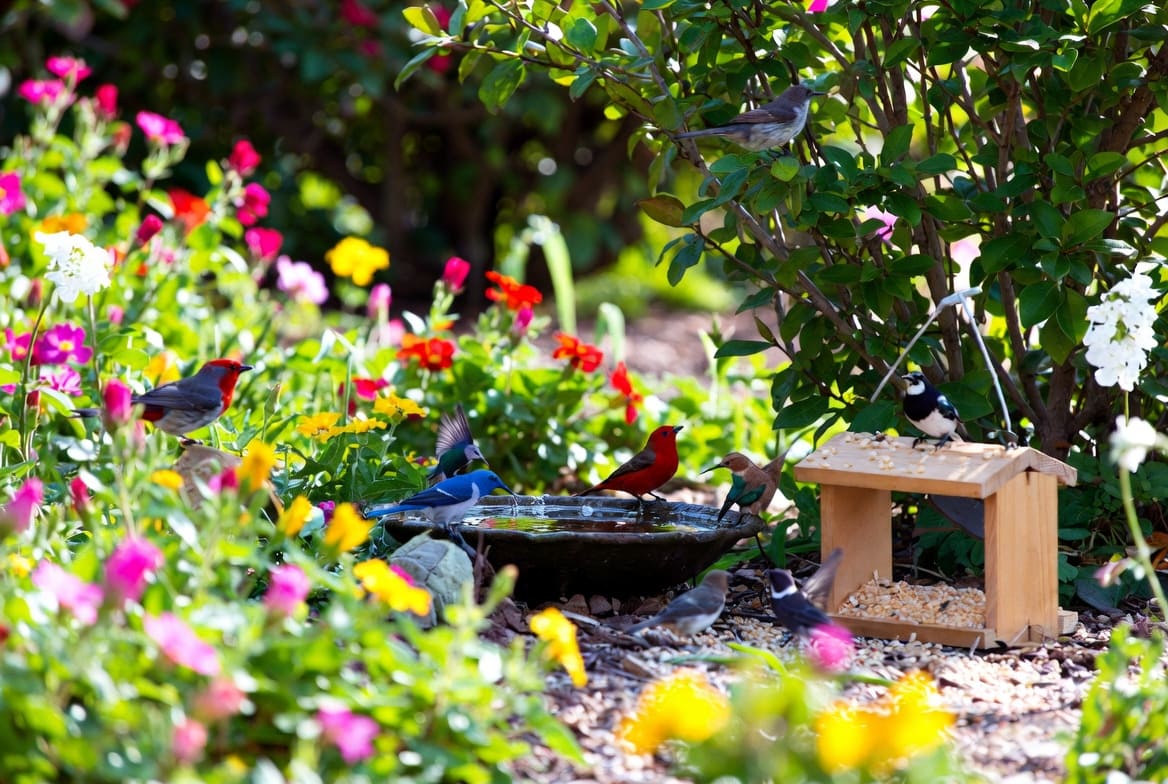
How to Attract Birds to Your Garden
Before purchasing feeders or planting shrubs, take time to observe which bird species naturally inhabit your geographic region. A bird-friendly garden in the arid Southwest will look entirely different from one in the forested Northeast.
Start by identifying the resident birds that stay year-round, such as woodpeckers, finches, or jays. Next, research the migratory birds that pass through your area during spring and fall. Migratory birds often need high-energy foods to fuel their long journeys. Resident birds need reliable food sources during harsh winter months.
Understanding the specific dietary preferences and nesting habits of local bird populations allows you to tailor your garden. For instance, goldfinches prefer open spaces with thistle plants, while thrushes favor dense, shaded undergrowth. Knowing these preferences helps you decide exactly what to plant and which feeders to install.
What Are the Essential Elements for a Bird-Friendly Garden?
Every successful bird habitat requires three fundamental components: food, water, and shelter. When these three elements exist together, birds feel secure enough to feed, bathe, and eventually raise their young.
How Does Food Attract Different Bird Species?
Natural food sources are the most sustainable way to attract birds. This means planting a variety of fruit-bearing shrubs, seed-producing flowers, and nectar-rich blooms. Sunflowers, coneflowers, and black-eyed Susans provide excellent natural seeds. Berry-producing shrubs like elderberry or holly offer crucial winter sustenance. Insects also make up a massive portion of many birds’ diets, especially during the breeding season. Allowing a healthy population of native insects to thrive in your garden will naturally attract insect-eating birds like warblers and bluebirds.
Why Is Clean Water Crucial for Attracting Birds?
Birds need fresh water for both drinking and bathing. Bathing keeps their feathers in top condition, which is essential for flight and insulation. A simple birdbath with a water depth of one to two inches is ideal. Birds prefer shallow water with a rough bottom for secure footing. Adding a dripper or a small fountain creates moving water, which catches the attention of passing birds much faster than stagnant water. You must clean the water feature every few days to prevent disease and mosquito breeding.
How Does Shelter Protect Backyard Birds?
Birds need safe places to hide from predators, roost at night, and build their nests. A manicured lawn offers no protection. Instead, create varying levels of vegetation. Combine tall canopy trees, medium-height shrubs, and low ground cover. Evergreen trees provide excellent year-round shelter, shielding birds from harsh winter winds and offering hidden nesting sites in the spring. Brush piles made from fallen branches also create immediate, effective hiding spots for ground-feeding birds like sparrows and towhees.
What Are the Best Practices for Feeding Backyard Birds?
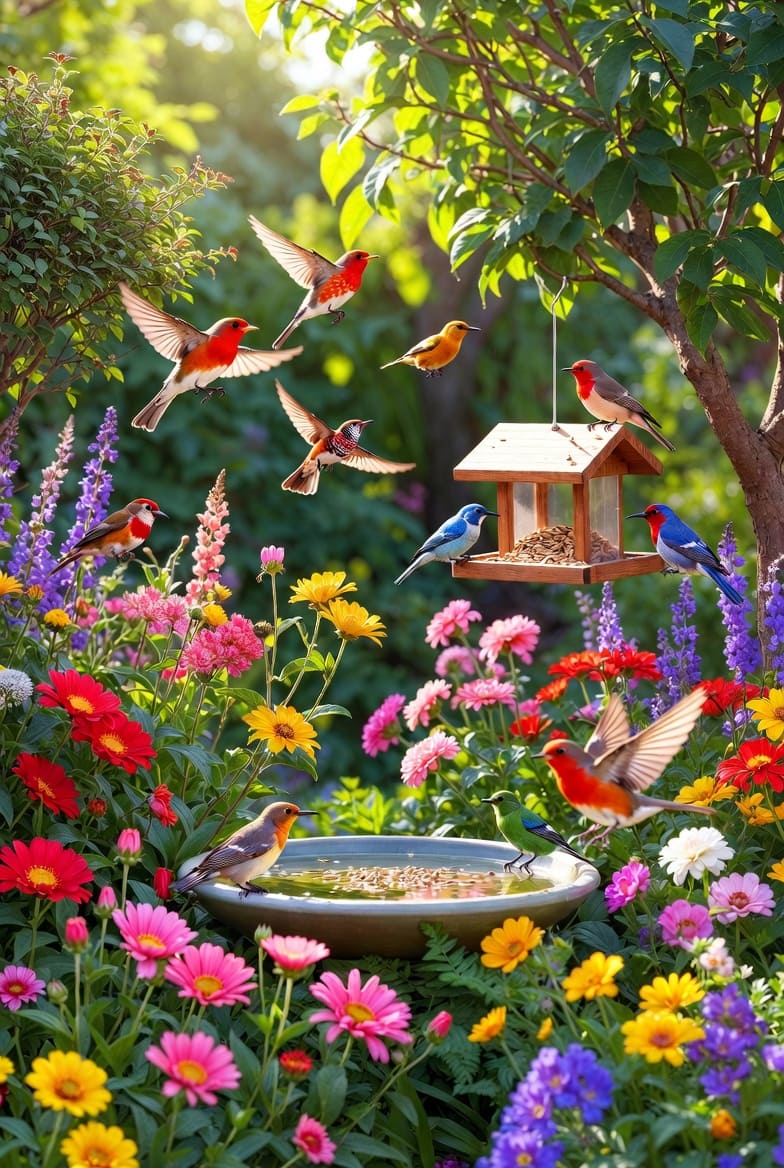
Supplemental feeding is the fastest way to bring birds into view. However, improper feeding can spread disease or attract unwanted pests. Choosing the right equipment and high-quality seeds makes a significant difference.
Which Bird Feeders Work Best?
Different feeders cater to different feeding behaviors.
- Tube feeders: These cylindrical feeders have small perches and dispense small seeds. They are perfect for finches, chickadees, and titmice.
- Hopper feeders: Resembling small houses, these protect seeds from the weather and accommodate larger birds like cardinals and jays.
- Platform feeders: These open trays attract ground-feeding birds like doves and juncos. Because they are open to the elements, you must clean platform feeders frequently to prevent moldy seed.
- Suet feeders: Wire cages holding suet blocks attract woodpeckers, nuthatches, and starlings, providing essential fats during cold months.
What Types of Bird Seed Attract the Most Birds?
Black-oil sunflower seed is the gold standard of bird food. Its thin shell is easy to crack, and the high-fat kernel provides excellent energy. If you only offer one type of seed, choose black-oil sunflower.
Nyjer (thistle) seed is highly attractive to small finches but requires a specialized feeder with tiny feeding ports. Peanuts appeal to jays, woodpeckers, and titmice. Avoid cheap seed blends that contain high amounts of milo, wheat, or oats. Most backyard birds kick these filler seeds to the ground, creating a mess that attracts rodents.
How Can You Create a Safe Haven for Backyard Birds?
Attracting birds to your yard comes with the responsibility of keeping them safe. A bird-friendly garden must prioritize the well-being of its visitors.
How Do Native Plants Benefit Local Bird Populations?
Native plants evolved alongside local bird species and provide the exact nutrition those birds need at the right time of year. Furthermore, native plants host specific native insects. According to entomologist Doug Tallamy, a single clutch of chickadee chicks requires thousands of caterpillars to reach maturity. Non-native ornamental plants rarely support these necessary insect populations. Replacing exotic plants with native oak trees, serviceberry shrubs, and native grasses directly increases the survival rate of local birds.
What Are the Best Ways to Control Bird Predators?
Outdoor cats are the leading cause of bird mortality in residential areas. If you feed birds, keep your pet cats indoors. If neighborhood cats visit your yard, place feeders at least ten feet away from low shrubs where felines can hide and ambush.
Window collisions also pose a major threat. Birds see the reflection of the sky or trees in the glass and fly directly into it. Apply window decals, bird tape, or external screens to break up the reflection and alert birds to the barrier.
How Do You Attract Specific Bird Species to Your Garden?
If you want to attract specific types of birds, you must tailor your offerings to their unique preferences.
- Hummingbirds: Plant tubular, brightly colored native flowers like bee balm, trumpet vine, and columbine. Hang nectar feeders filled with a solution of four parts water to one part refined white sugar. Never use red dye, honey, or artificial sweeteners.
- Bluebirds: These insect-eating birds rarely visit seed feeders. Offer live mealworms in a specialized dish feeder. Provide bluebird nesting boxes placed in open areas facing away from prevailing winds.
- Orioles: Orioles have a sweet tooth. Offer halved oranges, grape jelly, and specialized nectar feeders in early spring when they return from migration.
- Woodpeckers: Leave dead trees (snags) standing on your property if it is safe to do so. Woodpeckers forage for insects in the decaying wood and excavate nesting cavities. Offer suet blocks during the winter.
Enjoying Your Vibrant, Bird-Filled Sanctuary
Creating a bird-friendly garden is an ongoing process of observation and adjustment. As your native plants mature and your feeding stations become established, the diversity of bird species visiting your yard will increase. Keep a field guide and a pair of binoculars near your favorite window to identify your new visitors. Participate in community science projects like Project FeederWatch to contribute your observations to ornithological research. By providing food, water, and shelter, you play a vital role in supporting local wildlife populations while enjoying the daily beauty of nature right outside your door.
Frequently Asked Questions About Attracting Birds
How long does it take for birds to find a new feeder?
It typically takes between two days and two weeks for birds to discover a new feeding station. To speed up the process, scatter some high-visibility seeds, like white proso millet or sunflower seeds, on the ground directly below the feeder.
When should I stop feeding birds in the summer?
You do not need to stop feeding birds in the summer. While natural food is more abundant, summer feeding provides easy energy for busy parents raising demanding chicks. However, suet can turn rancid in high heat, so switch to no-melt suet dough or remove it entirely during peak summer months.
Are bird feeders bad for bird migration?
No. Scientific studies show that bird feeders do not stop birds from migrating. Migration is triggered by changes in daylight hours and weather patterns, not the availability of food. Feeders actually help migratory birds refuel during their exhausting journeys.
What is the best way to clean bird feeders and baths?
Clean bird feeders and baths every two weeks using a solution of nine parts water to one part bleach. Scrub away any debris or mold with a stiff brush, rinse thoroughly with clean water, and allow the feeder to dry completely before refilling it with seed.
Leave a Reply