
Introduction glamping economy
Have you ever wondered why luxury camping is popping up everywhere from coastal cliffs to mountain valleys? The glamping economy is reshaping how travelers seek comfort without sacrificing adventure, and the glamping market growth shows no signs of slowing down. This surge matters because it blends sustainable tourism with high‑end experiences, creating new revenue streams for local communities and fresh opportunities for entrepreneurs. If you’re curious about how to tap into this trend—or simply want to understand what’s driving it—read on for a clear, data‑backed roadmap.
What You Need to Know
Before diving into strategies, grasp the core elements that define the glamping landscape. Glamping combines “glamorous” camping with amenities like plush bedding, private bathrooms, gourmet kitchens, and eco‑friendly power solutions. Key platforms that facilitate bookings include Airbnb Luxe, Hipcamp, and Glamping Hub, while suppliers range from canvas tent manufacturers to solar‑panel installers. Understanding the regulatory backdrop—such as zoning permits, fire safety codes, and waste‑management requirements—helps you avoid costly setbacks. Familiarize yourself with target traveler personas: millennials seeking Instagram‑worthy stays, families desiring hassle‑free nature trips, and affluent retirees looking for low‑impact luxury retreats.
Timing / Preparation / Important Details
Launching a glamping venture typically follows a 6‑ to 12‑month timeline. Start with market research (1–2 months) to identify demand hotspots and competitor pricing. Secure land or lease agreements (1–3 months), ensuring you have access to water, electricity, and waste disposal. Design and source accommodations (2–4 months); canvas safari tents, yurts, or tiny homes each have different lead times and cost structures. Install utilities and amenities (1–2 months), then conduct soft‑opening tests with invited guests to refine operations. Finally, launch marketing campaigns (ongoing) and monitor occupancy rates to adjust pricing dynamically. Keeping a detailed Gantt chart helps you track milestones and buffer for permit delays.
Step‑by‑Step Guide / Main Content
1. Validate Demand – Use tools like Google Trends, Airbnb occupancy data, and local tourism board reports. Look for upward search volume in “glamping near [region]” and check seasonal patterns.
2. Choose Your Niche – Decide between eco‑luxury (solar power, composting toilets), adventure‑focused (near hiking trails, kayak launches), or wellness‑oriented (yoga decks, spa tubs). Your niche guides design, pricing, and marketing.
3. Secure Financing – Prepare a business plan highlighting projected cash flow, break‑even analysis, and ROI. Options include small‑business loans, tourism grants, or partnering with impact investors who value sustainable travel.
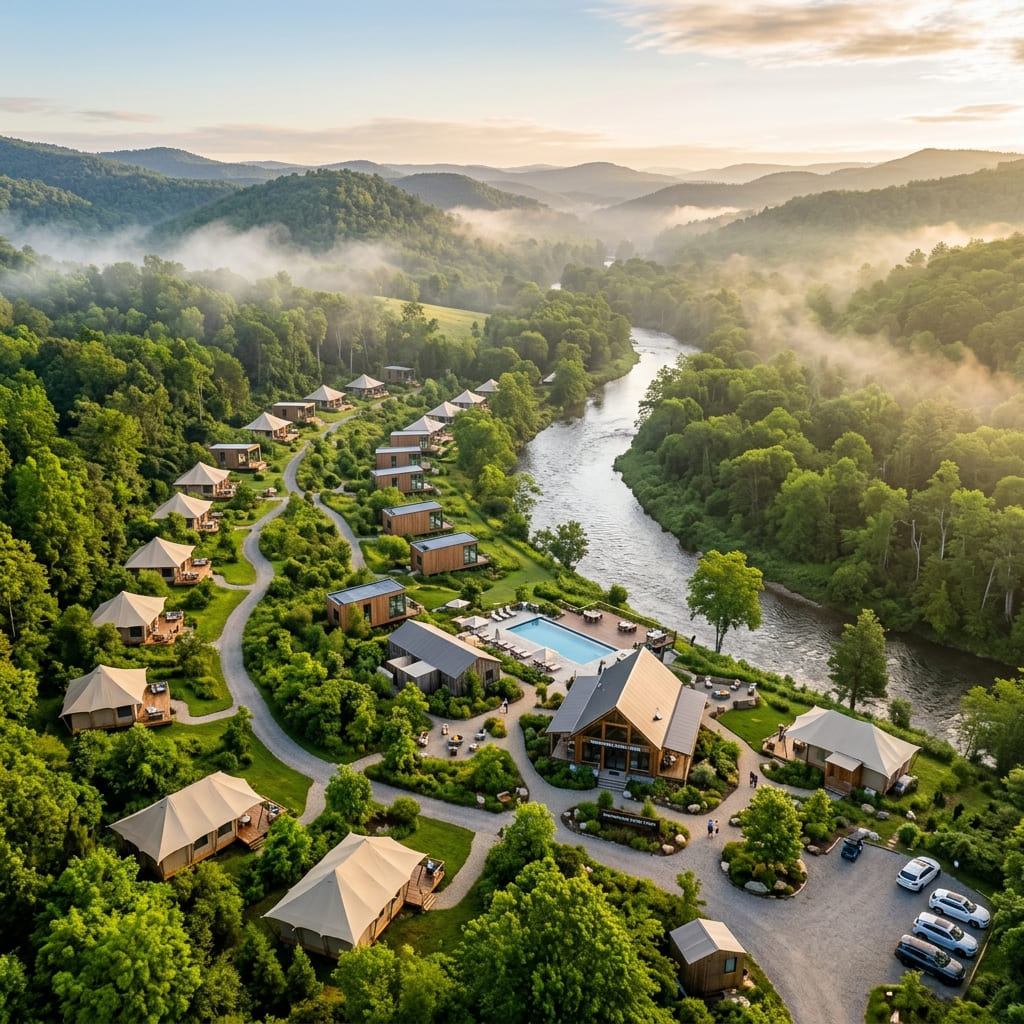
4. Design the Experience – Sketch layout plans that maximize privacy while preserving natural views. Invest in quality bedding, climate‑control (portable heaters or fans), and thoughtful touches like welcome baskets with local artisan goods.
5. Implement Technology – Adopt a property‑management system (PMS) that syncs with channel managers, automated messaging, and dynamic pricing tools. Contactless check‑in via smart locks enhances guest convenience and reduces staff overhead.
6. Market Strategically – Leverage visual platforms (Instagram, Pinterest) with professional photography and short video tours. Collaborate with micro‑influencers in the travel niche and run targeted Facebook ads lookalike audiences based on past glamping bookers.
7. Operational Excellence – Create standard operating procedures for cleaning, linen rotation, and guest feedback. Use a simple NPS survey after checkout to capture insights and encourage repeat bookings.
8. Scale Thoughtfully – Once you achieve >70% occupancy for three consecutive months, consider adding a second accommodation type or expanding to a nearby site with complementary attractions.
By following these steps, you position yourself to benefit from the expanding glamping economy and ride the wave of glamping market growth without overextending resources.
Benefits / Advantages
– Higher Revenue Per Square Foot – Glamping sites command nightly rates 2‑3× traditional campsites while maintaining lower land‑use impact.
– Season‑Extension Opportunities – With heating, insulation, and all‑weather structures, you can attract guests year‑round, smoothing cash flow.
– Eco‑Friendly Appeal – Sustainable practices (solar power, water recycling) resonate with eco‑conscious travelers and can qualify for green certifications that boost visibility.
– Community Impact – Local artisans, food producers, and guide services gain new customers, fostering regional economic resilience.
– Brand Differentiation – A well‑curated glamping offering stands out in crowded OTA listings, leading to better review scores and repeat visitation.
Tips, Alternatives, or Pro Strategies
– Dynamic Pricing Engines – Integrate tools like Beyond Pricing or PriceLabs that adjust rates based on local events, weather forecasts, and competitor movements.
– Micro‑Experiences – Offer add‑on packages such as sunrise yoga, guided foraging tours, or private stargazing sessions for an extra $25‑$75 per guest.
– Partnership Model – Instead of owning land, partner with farmers or conservation trusts who provide the site in exchange for a revenue share; this reduces upfront capex.
– Loyalty Programs – Create a tiered membership (e.g., “Glamping Insider”) offering early‑bird discounts, complimentary upgrades, and exclusive event invites to increase lifetime value.
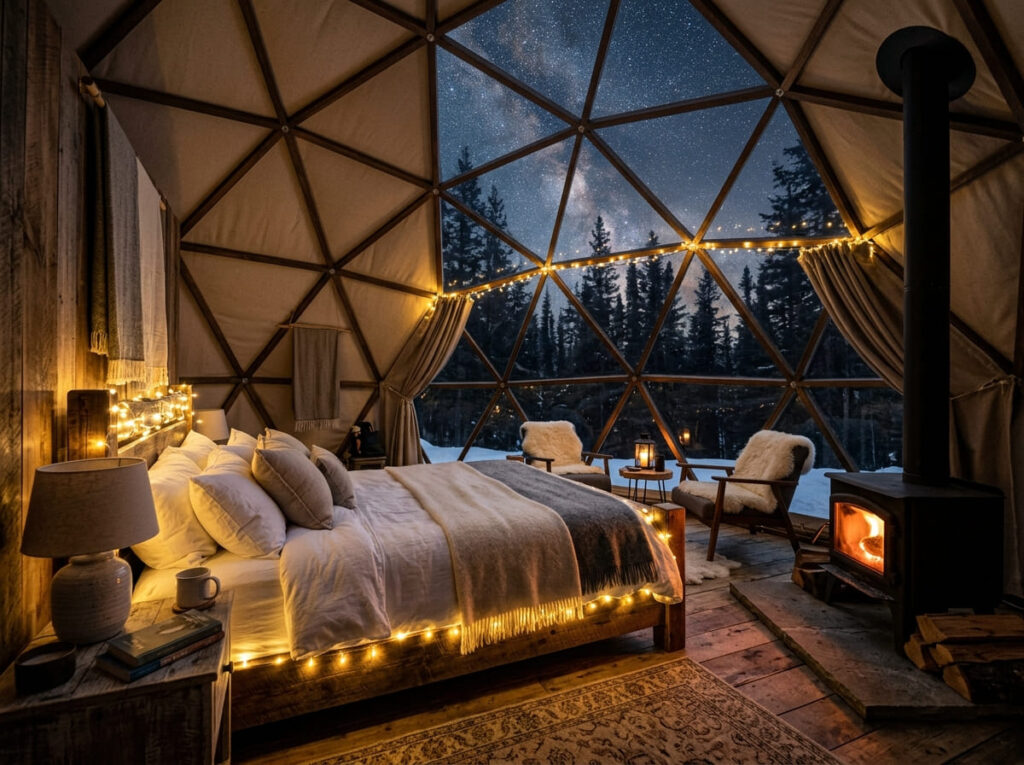
– Alternative Structures – If canvas tents prove costly, consider repurposed shipping containers or geodesic domes, which can be quicker to install and offer unique aesthetics.
Common Mistakes to Avoid
1. Underestimating Permit Timelines – Assuming approvals are quick can stall construction. Begin liaison with local planning offices early and factor in possible public hearings.
2. Over‑Luxury Without Market Fit – Installing high‑end hot tubs in a region where travelers prioritize hiking can inflate costs without boosting occupancy. Align amenities with guest preferences discovered in market research.
3. Neglecting Mobile Connectivity – Remote sites often lack reliable Wi‑Fi; invest in satellite internet or cellular boosters to meet modern expectations.
4. Inconsistent Cleaning Standards – Variable housekeeping leads to poor reviews. Implement a checklist‑based system and consider outsourcing to a vetted local cleaning crew.
5. Ignoring Feedback Loops – Failing to act on guest suggestions results in stagnant improvements. Set a monthly review cycle to adjust operations based on NPS and review comments.
6. Static Pricing – Keeping nightly rates flat year‑round leaves money on the table during peak festivals or holidays; adopt a flexible pricing calendar.
Maintenance / Best Practices / Extra Advice
To sustain success, schedule quarterly inspections of structural integrity (especially for canvas and wooden frames), test safety devices (smoke detectors, fire extinguishers), and refresh linens and toiletries based on wear cycles. Keep a digital inventory of supplies to automate reordering before stock runs low. Train staff on hospitality soft skills—personalized greetings and prompt issue resolution—because memorable service drives word‑of‑mouth referrals. Finally, stay attuned to emerging trends such as “forest bathing” pods or off‑grid solar micro‑grids; adopting innovations early can keep your offering ahead of the curve.
Conclusion
The glamping economy offers a compelling blend of profitability, sustainability, and guest delight, while the glamping market growth signals a lasting shift in how people experience nature. By validating demand, designing a thoughtful guest journey, leveraging technology, and avoiding common pitfalls, you can build a glamping business that thrives today and adapts tomorrow. Start with a solid market study, take the first step toward land acquisition, and watch your vision evolve into a sought‑away retreat that nourishes both travelers and the local economy.
FAQs
What is the average nightly rate for a glamping site?
Rates vary widely by region and amenities, but most upscale glamping properties charge between $150 and $350 per night, with luxury eco‑lodges exceeding $500 in peak seasons.
Do I need special insurance for a glamping business?
Yes. General liability, property insurance, and optionally coverage for adventure activities (if offered) are essential. Consult an insurer familiar with hospitality and outdoor recreation.
How long does it take to see a return on investment?
With realistic occupancy (60‑70%) and average nightly rates around $200, many operators reach break‑even within 18‑24 months, though timelines depend on initial capital and local demand.
Can I operate a glamping site on public land?
Typically, you need a lease or concession agreement from the managing agency (e.g., National Forest Service, Bureau of Land Management). Each entity has its own application process and environmental review.
What are the most eco‑friendly power options?
Solar photovoltaic arrays paired with battery storage are the leading choice. For remote sites, micro‑wind turbines or propane generators with high‑efficiency inverters can supplement solar during low‑sun periods.
How important is online reputation management?
Critical. Over 80% of travelers read reviews before booking. Respond promptly to feedback, encourage happy guests to leave ratings, and address concerns publicly to demonstrate commitment to quality.
Leave a Reply