
Introduction
Ever wondered how a bowl of your favorite soup could be prepared by a machine that learns your taste? Today, soup technology is reshaping home kitchens and professional kitchens alike, while culinary robotics brings precision and consistency to every ladle. This blend of smart heating, sensor‑driven seasoning, and automated stirring is not just a novelty—it addresses real pain points like time scarcity, uneven flavor, and food waste. If you’ve ever struggled to replicate a restaurant‑quality bisque at home or wondered how to scale soup production without sacrificing quality, this guide will show you why these innovations matter and how you can start benefiting from them right now.
—
What You Need to Know
Modern soup preparation relies on a handful of core tools: a programmable heated vessel, an immersion circulator for precise temperature control, a smart stirring mechanism, and an AI‑driven recipe platform that adjusts salt, acidity, and thickness on the fly. Many devices now integrate Wi‑Fi or Bluetooth, allowing you to monitor progress from a smartphone app. Ingredients remain the same—vegetables, proteins, stocks, and seasonings—but the equipment handles timing and emulsification with far greater repeatability than manual methods. Understanding these basics helps you choose the right setup, whether you’re a home cook experimenting with weekday meals or a catering business looking to boost output.
Timing / Preparation / Important Details
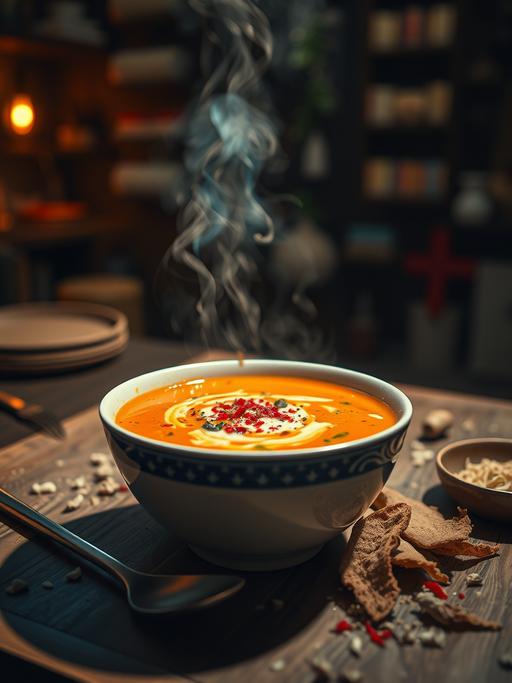
A typical batch of vegetable soup takes about 20 minutes from prep to finish when using automated settings, compared with 35‑40 minutes on a stovetop. The process breaks down into three stages:
1. Prep (5 min) – chop vegetables, measure liquids, load ingredients into the vessel.
2. Cook (12 min) – the device brings the mixture to a gentle boil, then maintains a simmer while the smart stirs prevent scorching.
3. Finish (3 min) – automated seasoning sensors adjust salt and pepper; a final blending cycle creates a smooth texture if desired.
Because the machine logs each cycle, you can replicate the exact profile day after day, which is invaluable for menu consistency or meal‑prep planning.
Step‑by‑Step Guide / Main Content
1. Select a recipe – open the companion app, choose a base (e.g., tomato bisque, chicken noodle, or lentil stew). The app suggests ingredient quantities based on the number of servings.
2. Load the pot – place chopped aromatics, proteins, and liquids into the smart vessel. Ensure the lid seals properly to maintain pressure and temperature.
3. Set the profile – tap “Start Cooking.” The system ramps up to a boil, then holds a simmer at 95 °C while the internal stirrer rotates at 30 rpm.
4. Monitor via alerts – you’ll receive a notification when the device detects optimal viscosity; at this point you can add delicate ingredients like herbs or cream.
5. Automated seasoning – built‑in salinity and pH probes fine‑tune salt and acidity, eliminating guesswork.
6. Final blend (optional) – for a velvety finish, engage the high‑speed blending mode for 20 seconds.
7. Serve and store – dispense directly into bowls or transfer to storage containers; the app logs the cook time for future reference.
By following these steps, you harness both soup technology and culinary robotics to produce restaurant‑grade soup with minimal hands‑on effort.
Benefits / Advantages
– Consistency: Sensor feedback ensures every batch hits the same temperature and texture.
– Time savings: Hands‑free cooking frees you to focus on other tasks or simply relax.
– Reduced waste: Precise portioning and automated seasoning lower the risk of over‑salting or over‑cooking.
– Scalability: The same workflow works for a single serving or a large catering tray, making it ideal for food trucks, cafeterias, or meal‑prep services.
Tips, Alternatives, or Pro Strategies
– Layer flavors: Add a splash of umami‑rich miso or soy sauce during the final seasoning phase for depth without extra salt.
– Use frozen vegetables: They thaw evenly in the heated vessel, saving prep time while preserving nutrients.
– Experiment with pressure: Some models offer a pressure‑cook shortcut that cuts legume soup time in half.
– Alternative approach: If a dedicated smart pot isn’t available, combine a sous‑vide immersion circulator with a magnetic stirrer and a Bluetooth temperature probe to mimic many of the same benefits.
Common Mistakes to Avoid

1. Overfilling the vessel – leaves insufficient room for circulation, leading to uneven heating. Stick to the max fill line indicated inside the pot.
2. Ignoring sensor alerts – the device will prompt you when to add delicate ingredients; skipping this can cause overcooking or curdling.
3. Using thickeners too early – flour or cornstarch added before the simmer stage can cause lumps; introduce them during the final blending step.
4. Neglecting cleaning – residue on the stirring arm affects sensor accuracy; rinse the detachable parts after each use.
5. Setting static times – rely on the built‑in timers rather than a kitchen clock; the algorithm adjusts for altitude and starting temperature.
Maintenance / Best Practices / Extra Advice
To keep your soup‑tech performing at peak level, wipe down the interior after each use and run a brief “self‑clean” cycle if the model offers one. Periodically check the calibration of the temperature and salinity probes—most apps include a quick test routine. Store the vessel in a dry place, and avoid abrasive scrubbers that could damage the non‑stick coating. Finally, keep the firmware updated; manufacturers often release improvements that enhance stirring patterns or add new recipe profiles.
Conclusion
Incorporating soup technology and culinary robotics transforms a simple pot of soup into a precision‑crafted dish that saves time, guarantees consistency, and reduces waste. Whether you’re a busy home chef or a food‑service professional, the steps outlined above give you a clear path to start leveraging these tools today. Try the guide, tweak the flavors to your liking, and enjoy the satisfaction of perfectly balanced soup—every single time.
FAQs
What is the main advantage of using a smart soup pot over a traditional stove?
It provides exact temperature control and automated stirring, which eliminates hot spots and guarantees uniform texture.
Do I need special ingredients for soup‑tech cooking?
No—standard vegetables, proteins, stocks, and seasonings work; the technology handles timing and dosing.
Can I adapt my existing recipes to the automated system?
Absolutely. Input your ingredient list into the app, and it will generate a compatible cooking profile.
Is the equipment safe for continuous use in a commercial kitchen?
Most units are built with food‑grade stainless steel, overheating protection, and NSF certification for heavy‑duty service.
How often should I calibrate the sensors?
A quick calibration once a month, or after any noticeable deviation in taste or texture, keeps performance optimal.
What if I lose Wi‑Fi during cooking?
The device stores the last sent program locally and will continue the cycle; you’ll regain control once the connection returns.
Leave a Reply